Explore Film Photography Essentials: A Comprehensive Guide to Analog Cameras and Techniques
Film photography is a captivating art form that allows photographers to capture moments with a unique aesthetic that digital photography often struggles to replicate. This comprehensive guide delves into the essentials of film photography, covering various types of analog cameras, film stocks, shooting techniques, and the development process. Readers will learn how to choose the right equipment and film, master manual exposure settings, and understand the intricacies of developing film. As many enthusiasts seek to embrace an analog lifestyle, this guide also explores how film photography can be integrated into daily life, enhancing creativity and mindfulness.
What Are the Main Types of Film Cameras and Their Uses?
Film cameras come in various types, each designed for specific uses and offering unique features. Understanding these differences is crucial for photographers looking to select the right camera for their projects. The main types of film cameras include 35mm, medium format, and large format cameras, each catering to different needs and artistic visions.
Understanding 35mm Film Cameras and Their Features
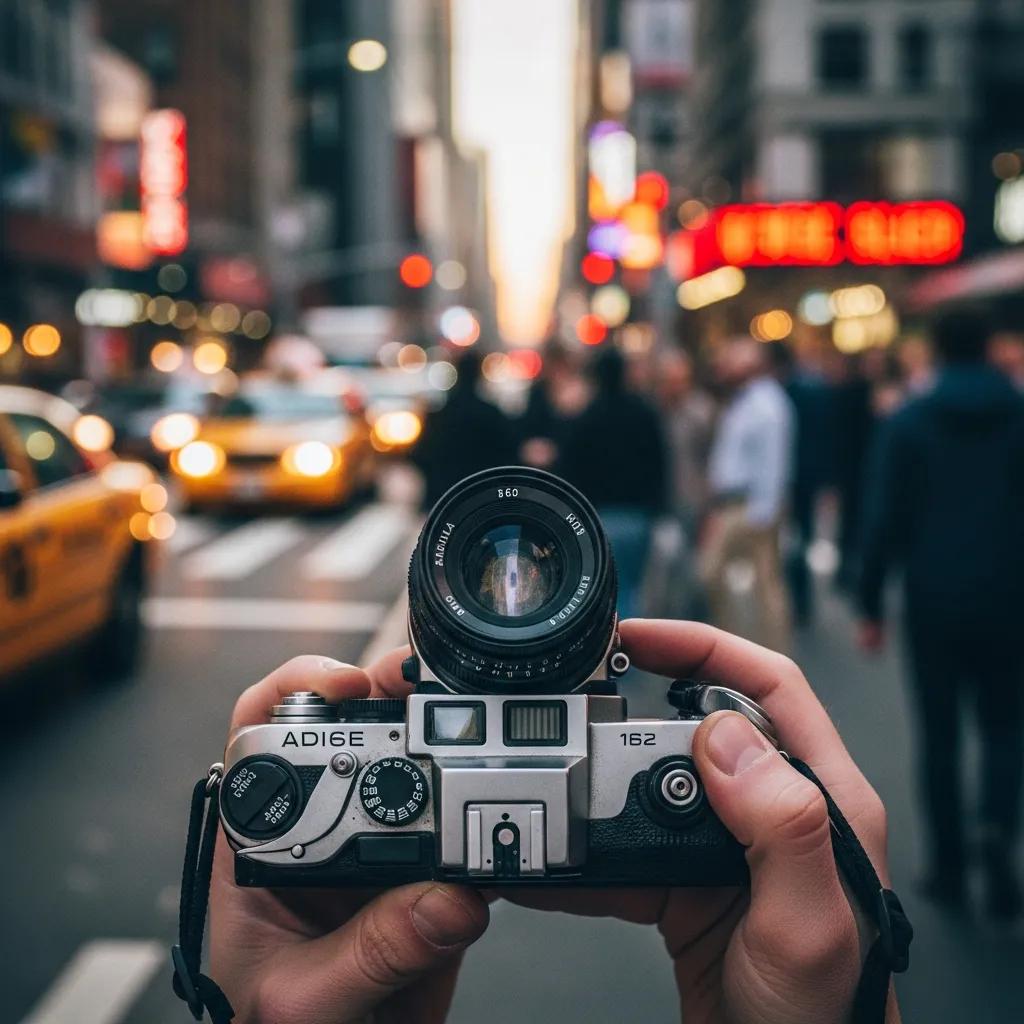
35mm film cameras are among the most popular choices for both beginners and experienced photographers. They are compact, versatile, and widely available, making them ideal for various photography styles, from street photography to portraits. Key features of 35mm cameras include interchangeable lenses, manual and automatic exposure settings, and a range of film options. Popular models like the Canon AE-1 and Nikon FM2 offer reliable performance and excellent image quality, making them favorites among film enthusiasts.
Exploring Medium and Large Format Cameras for Different Projects
Medium and large format cameras provide photographers with the ability to capture images with exceptional detail and tonal range. Medium format cameras, such as the Hasselblad 500C, use 120 film and are favored for portrait and landscape photography due to their larger negative size. Large format cameras, on the other hand, utilize sheet film and are often used in studio settings or for fine art photography. The choice between these formats depends on the desired image quality and the specific requirements of the project.
How to Choose the Right Film Stock for Your Photography Needs?
Selecting the appropriate film stock is essential for achieving the desired aesthetic and technical results in film photography. Factors to consider include the type of photography, lighting conditions, and personal preferences regarding color and contrast.
Comparing Color, Black and White, and Specialty Film Stocks
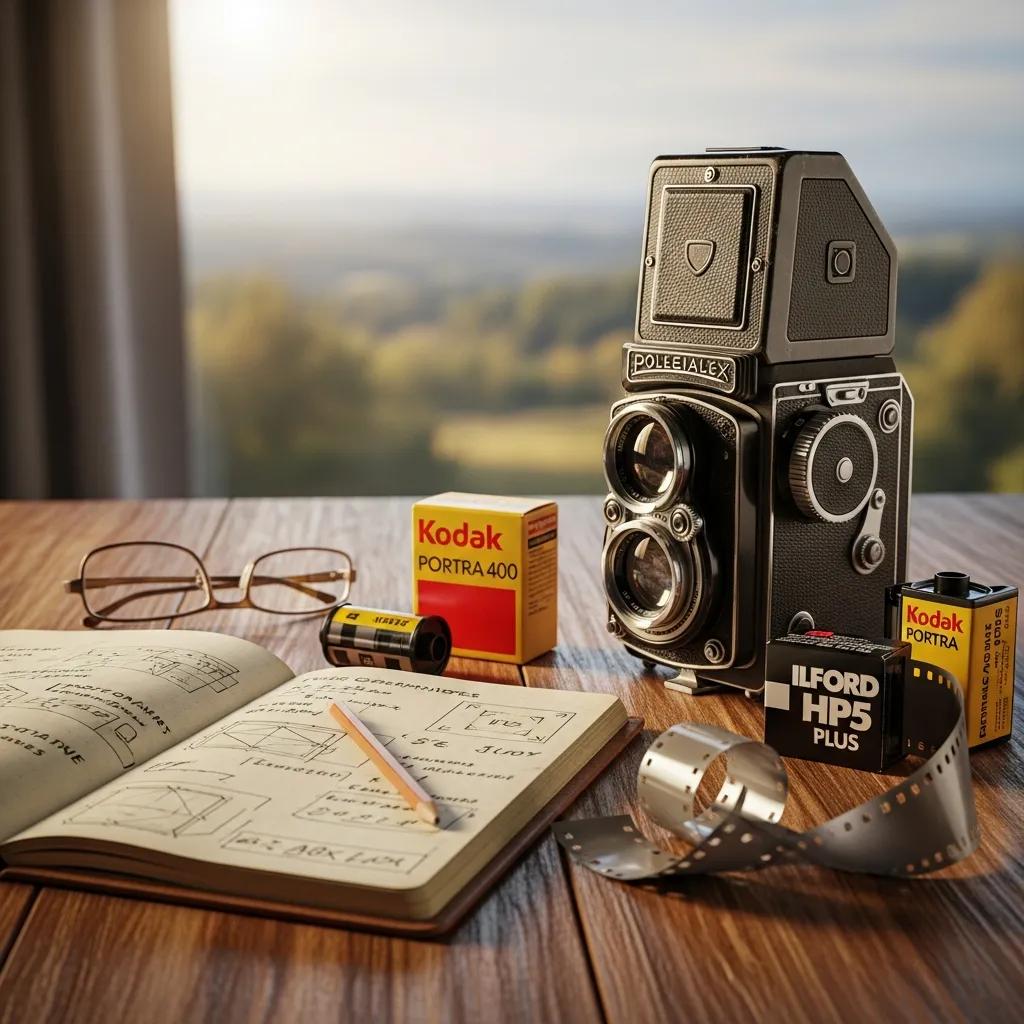
Different film stocks offer unique characteristics that can significantly impact the final image. Color films, such as Kodak Portra and Fujifilm Pro 400H, are known for their vibrant colors and fine grain, making them suitable for portrait and landscape photography. Black and white films, like Ilford HP5 Plus, provide a classic aesthetic with rich contrasts and textures. Specialty films, such as infrared or slide film, offer unique effects and are used for specific artistic purposes.
| Film Type | Characteristics | Best Uses |
|---|---|---|
| Color Film | Vibrant colors, fine grain | Portraits, landscapes |
| Black and White Film | Rich contrasts, textures | Street photography, fine art |
| Specialty Film | Unique effects | Artistic projects |
What ISO Ratings Mean and How They Affect Your Photos
ISO ratings indicate a film’s sensitivity to light, which plays a crucial role in exposure settings. Lower ISO films (e.g., ISO 100) are ideal for bright conditions and produce finer grain, while higher ISO films (e.g., ISO 800) are better suited for low-light situations but may exhibit more grain. Understanding ISO ratings helps photographers make informed decisions about film selection based on shooting conditions.
What Are Essential Shooting Techniques for Manual Film Exposure?
Mastering manual exposure settings is vital for achieving the desired results in film photography. Photographers must understand how aperture, shutter speed, and ISO work together to create a well-exposed image.
Mastering Manual Exposure Settings: Aperture, Shutter Speed, and ISO
Aperture controls the amount of light entering the camera, affecting depth of field and exposure. Shutter speed determines how long the film is exposed to light, influencing motion blur and overall exposure. ISO, as previously mentioned, affects the film’s sensitivity to light. Balancing these three elements is essential for capturing images with the desired exposure and artistic effect.
This concept of balancing these elements for optimal exposure is a fundamental principle in photography, as highlighted by research in the field.
Understanding Optimal Exposure in Analog & Digital Photography
Photography has been popular since a long time. Both in analogue and digital photography the most important factor is optimum exposure setting. Exposure can be understood as an optimal combination of aperture valuef, shutter speedtand the ISO sensitivity [16]. Setting correct exposure is not an easy task [14].
Automatic exposure algorithms for digital photography, J Bernacki, 2020
Tips for Composing and Shooting with Analog Cameras
When shooting with analog cameras, composition plays a critical role in creating compelling images. Photographers should consider the rule of thirds, leading lines, and framing to enhance their compositions. Additionally, taking the time to slow down and carefully consider each shot can lead to more thoughtful and impactful photographs. Common mistakes to avoid include overexposing highlights and neglecting to check focus before shooting.
How Does the Film Development Process Work?
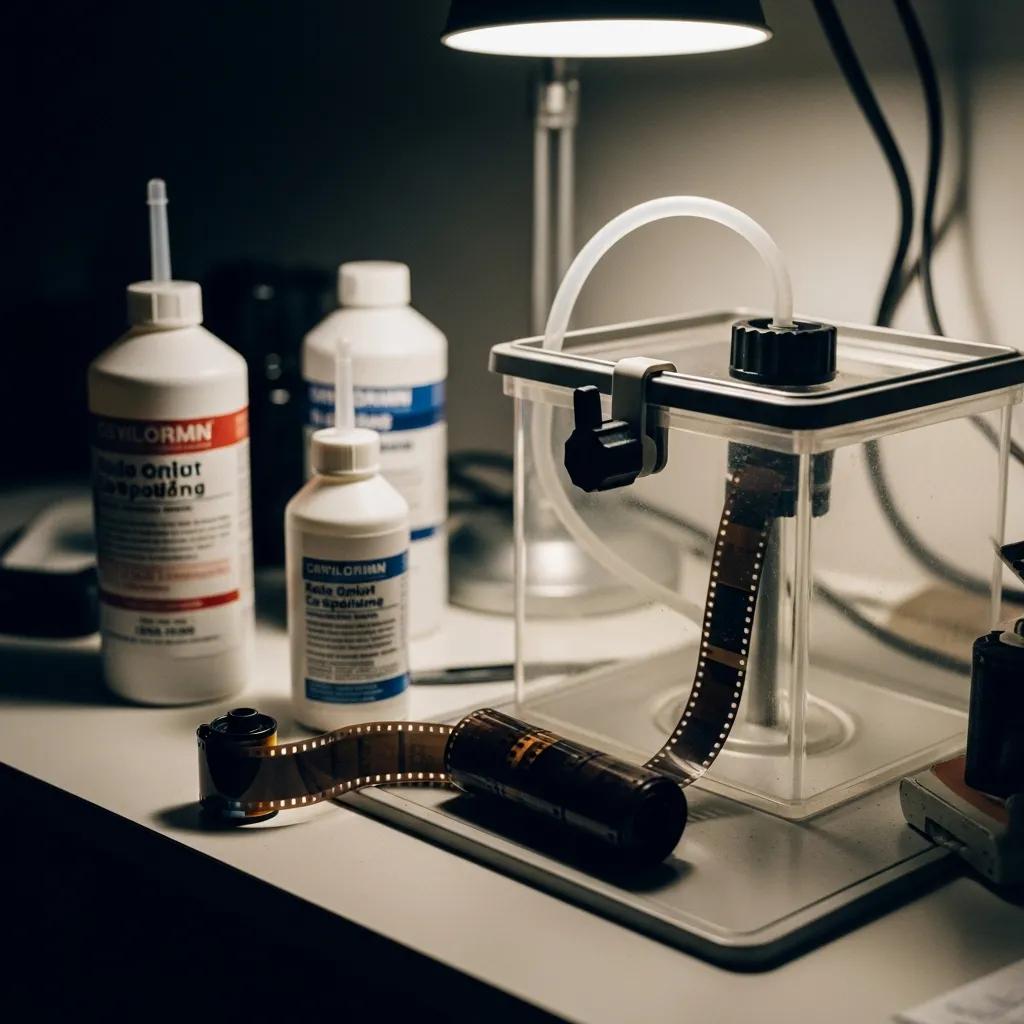
The film development process is a crucial step in film photography, transforming exposed film into visible images. Understanding the steps involved can help photographers appreciate the craft and ensure high-quality results.
Step-by-Step Guide to Developing Black and White Film at Home
Developing black and white film at home involves several key steps:
- Gather Materials: You’ll need a developing tank, chemicals (developer, stop bath, fixer), and a dark space for loading the film.
- Load the Film: In complete darkness, load the film onto the reel and place it in the developing tank.
- Mix Chemicals: Prepare the developer according to the manufacturer’s instructions.
- Develop the Film: Pour the developer into the tank and agitate according to the recommended time.
- Stop and Fix: After developing, pour out the developer, add the stop bath, and then the fixer to stabilize the image.
- Wash and Dry: Rinse the film thoroughly and hang it to dry.
Understanding Color Film Development and Processing Techniques
Color film development is more complex than black and white due to the additional layers of emulsion. The process typically involves C-41 or E-6 chemicals, depending on the film type. Color film must be processed at specific temperatures and times to ensure accurate color reproduction. Understanding these techniques is essential for photographers looking to develop their color film successfully.
How Can You Integrate an Analog Lifestyle Beyond Photography?
Integrating film photography into an analog lifestyle can enhance creativity and mindfulness in a digital world. Embracing the slower pace of film photography encourages a deeper connection to the art form and the moments captured.
Incorporating Film Photography into a Thoughtful Analog Lifestyle
Film photography can be a central part of an analog lifestyle, promoting intentionality and creativity. Engaging with the process of shooting, developing, and printing images fosters a deeper appreciation for the craft. Additionally, participating in local film photography communities can provide support and inspiration, helping individuals connect with like-minded enthusiasts.
Maintaining and Restoring Vintage Cameras for Long-Term Use
Caring for vintage cameras is essential for preserving their functionality and aesthetic appeal. Basic maintenance tips include regularly cleaning the lens, checking for light leaks, and storing cameras in a cool, dry place. For those interested in restoration, learning about common issues and sourcing replacement parts can help keep these classic devices in working order for years to come.